
Does your kitchen counter feel like a composting no-go zone, crowded with coffee makers and mail piles? You’re not alone. I’ve tried every eco-friendly hack in my Bullet Journal Notebook for Beginners”>bullet journal, but nothing felt quite right for my apartment balcony until I discovered bokashi composting. Forget everything you think you know about smelly bins and fruit flies—bokashi is a game-changer for small-space dwellers who want rich soil without the mess. It’s a fermentation process that’s surprisingly simple, odor-free, and perfect for turning kitchen scraps into black gold, even if you only have a square foot of free space. Let’s break down how to make it work for you.
Reading Mood Matcher Guide
Find your perfect next read — 50 book recommendations organized by mood, genre, and reading speed.
7 min read
In This Article
- What Exactly Is Bokashi Composting?
- Choosing Your Bokashi Setup: Buckets, Bran, and Budget
- The Step-by-Step Fermentation Process
- Maximizing Minimal Space: Placement and Practical Tips
- Troubleshooting Common Bokashi Problems
- Beyond the Bucket: Using Your Bokashi Results
- Making Bokashi a Sustainable Habit
Key Takeaways
- What Exactly Is Bokashi Composting?
- Choosing Your Bokashi Setup: Buckets, Bran, and Budget
- The Step-by-Step Fermentation Process
- Maximizing Minimal Space: Placement and Practical Tips
What Exactly Is Bokashi Composting?
Bokashi composting is a Japanese method that uses beneficial microorganisms to ferment organic waste anaerobically (without oxygen). Unlike traditional composting, which relies on decomposition and can attract pests, bokashi is a pickling process. You layer food scraps with a bran-based inoculant in a special airtight bucket. Over about two weeks, the waste ferments, producing a nutrient-rich pre-compost that you can bury or add to a compost bin to finish breaking down. The best part? It handles things traditional compost can’t, like meat, dairy, and cooked foods, without any foul smells if done correctly.

I started my bokashi journey after a failed worm bin experiment (RIP, wriggly friends) left me skeptical. The bokashi system, specifically the TeraGanix Bucket Kit I use, completely changed my perspective. The process feels almost magical—you’re not just throwing out scraps; you’re actively culturing them. The bucket itself is typically a 5-gallon size, which fits perfectly under my sink or in a corner of my balcony, taking up about 18×18 inches of floor space. It’s a closed-loop system that feels incredibly efficient and satisfyingly scientific.
It’s a closed-loop system that feels incredibly efficient and satisfyingly scientific.
Choosing Your Bokashi Setup: Buckets, Bran, and Budget
Your first step is selecting the right equipment. You’ll need an airtight bokashi bucket, which usually consists of two nested buckets—one with a tap for draining off the liquid fertilizer (called “bokashi tea”) and a lid that seals tightly. I recommend the Bokashi Living Starter Kit, which runs about $75 and includes everything: two buckets, bran inoculant, and a detailed guide. For a more budget-friendly DIY approach, you can use two food-grade 5-gallon buckets from a hardware store (about $5 each), drill a hole in one for a spigot ($8), and purchase bran separately ($20 for a 2lb bag that lasts months).
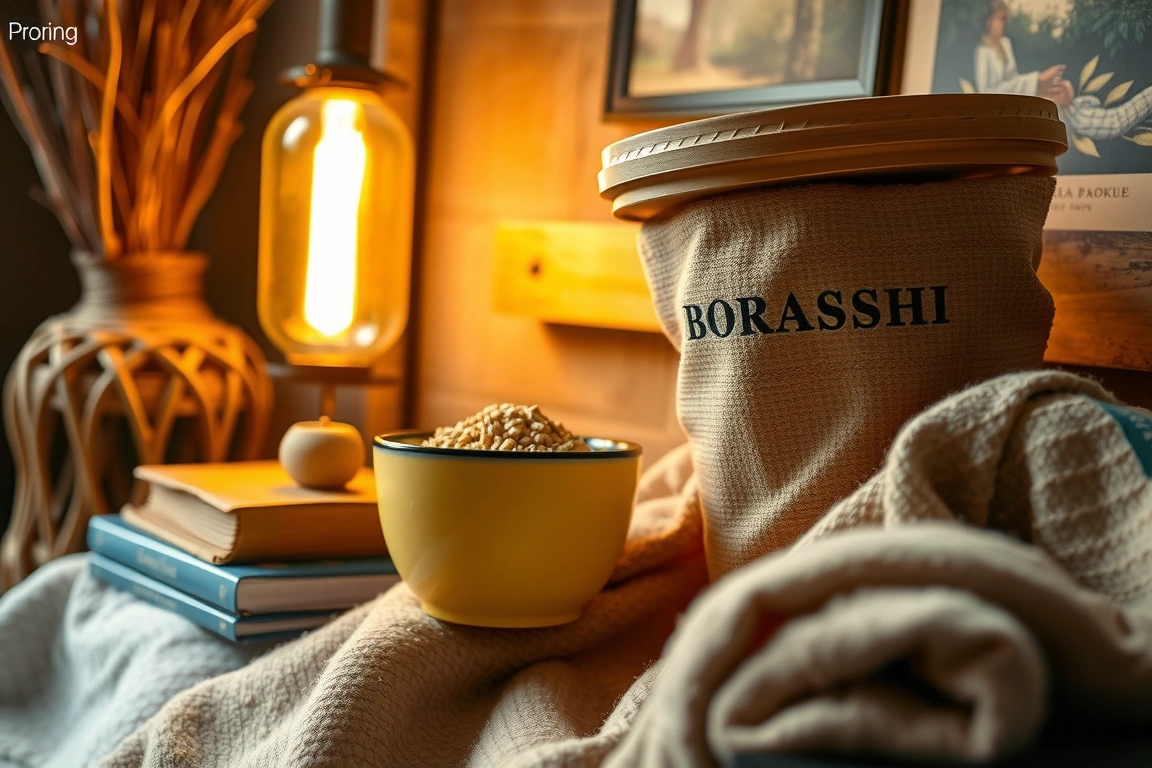
The bran inoculant is non-negotiable—it’s what introduces the effective microorganisms (EM) that kickstart fermentation. Brands like SCD Probiotics All Seasons Bokashi Bran are reliable and available online. A 2lb bag should last a single person 2-3 months, depending on how much waste you generate. My household of two goes through a bag every 10 weeks. The initial investment might feel steep, but compared to buying compost or soil amendments regularly, it pays for itself in about six months if you’re an avid gardener or houseplant enthusiast.
The Step-by-Step Fermentation Process
Once your system is set up, the daily routine is blissfully simple. After meal prep, I collect my scraps—everything from onion peels and eggshells to leftover pasta and chicken bones—in a small countertop container. When it’s full, I take it to my bokashi bucket, add a handful of bran (about ¼ cup per 2 inches of waste), and press the layers down firmly with a plate or potato masher to remove air pockets. This compression is crucial for creating the anaerobic environment the microbes need. Then, I seal the lid tightly. Every 2-3 days, I use the spigot to drain off the bokashi tea into a jar—this liquid is a powerful fertilizer that you dilute 100:1 with water for your plants.

The entire fermentation process takes about 14 days from when you start filling the bucket. You’ll know it’s working when you open the lid and get a faint, sweet-sour smell, like pickles or vinegar—not rotten garbage. If it smells bad, you likely didn’t use enough bran or didn’t compress the scraps adequately. After the two weeks, the pre-compost needs to finish breaking down in soil for another 2-4 weeks before it’s ready to use. I bury mine in a large planter on my balcony dedicated to “curing,” but you can also add it to an outdoor compost pile or a community garden plot.
I bury mine in a large planter on my balcony dedicated to “curing,” but you can also add it to an outdoor compost pile or a community garden plot.
Maximizing Minimal Space: Placement and Practical Tips
Living in 700 square feet means every inch counts. My bokashi bucket lives under my kitchen sink, but I’ve seen creative setups in closets, on balconies, and even in laundry rooms. The key is keeping it at room temperature (between 60-90°F) and out of direct sunlight. If you’re tight on floor space, consider a slim bucket design like the Urban Composter, which has a narrower footprint. For truly micro spaces, a countertop model like the Maze Bokashi Compost Kit is available, though it holds less waste (about 1.5 gallons).

To avoid any potential mess, always place your bucket on a tray or mat—I use a simple plastic boot tray from Target. This catches any accidental drips from the spigot. Empty the liquid tea regularly to prevent buildup and potential clogging. If you’re worried about aesthetics, you can spray paint your DIY buckets or wrap them in contact paper to match your decor. My white bucket blends right in with my kitchen cabinetry, and guests rarely even notice it’s there.
Troubleshooting Common Bokashi Problems
Even with a simple system, hiccups happen. The most common issue is a foul smell, which usually means oxygen is getting in. Check that your lid is sealing properly and that you’re compressing each layer firmly. White mold is good—it’s a sign of successful fermentation. Green or black mold means something’s off; usually, it’s because dairy or meat wasn’t fully covered with bran. If you see this, add more bran and compress again. The drain tap can sometimes get clogged with particulate; a pipe cleaner or small brush works wonders for clearing it.
In my first month, I made the classic mistake of adding too many citrus peels at once—the high acidity slowed down the fermentation. Now, I mix citrus with other scraps and add an extra sprinkle of bran. If your bucket isn’t producing much liquid, your scraps might be too dry. Add a bit of moisture, like coffee grounds or tea leaves, to balance it out. Remember, this isn’t an exact science; it’s more like baking sourdough. It might take a batch or two to get the feel for it, but once you do, it becomes second nature.
Beyond the Bucket: Using Your Bokashi Results
After the initial fermentation, you’re left with two valuable products: the pre-compost and the liquid tea. The tea should be used within a day or two of draining, as it loses potency quickly. I dilute mine immediately—100 parts water to 1 part tea—and use it to water my monstera and herb garden every two weeks. They’ve never been happier! The pre-compost needs to complete its breakdown in soil. If you have outdoor space, bury it 8-10 inches deep in a garden bed. For apartment dwellers, a large planter or fabric grow bag filled with soil works perfectly.
After burying, wait at least two weeks before planting anything in that soil. The finished compost is incredibly rich and crumbly, perfect for repotting houseplants or boosting vegetable growth. I’ve used mine on everything from my balcony tomatoes to my peace lily, and the difference is noticeable. One bucket of bokashi pre-compost yields about enough finished compost to fill a 5-gallon pot. It’s a closed-loop system that turns waste into a resource right in your home, reducing your trash output by up to 30%.
Making Bokashi a Sustainable Habit
Integrating bokashi into your routine is easier than you think. I keep my bran in a repurposed oatmeal container next to the bucket for easy access. My countertop scrap collector is a stylish ceramic bowl that doesn’t look out of place. Setting a phone reminder to drain the tea every Tuesday and Friday helped me establish the habit without fail. The entire process takes maybe 5 minutes a day, total. It’s become a meditative part of my evening cleanup, a small act that connects me to the cycle of growth and decay in a tangible way.
The environmental payoff feels immediate. Since starting bokashi six months ago, my household has reduced our landfill waste by one full bag per week. We’ve produced over 50 gallons of compost for our plants and shared extras with neighbors. The system scales easily—if you generate more waste, just add a second bucket and rotate them. It’s a practical, space-smart solution that turns kitchen guilt into garden gold, and honestly, it’s made me feel more empowered in my sustainability journey than any other single change.
Ready to turn your kitchen scraps into black gold? Start with a pre-made kit like Bokashi Living’s to eliminate setup stress, place your bucket in a cool, dark spot under the sink, and commit to compressing each layer firmly. Within weeks, you’ll have nutrient-rich fertilizer for your plants and a significantly lighter trash can. It’s one of those simple switches that feels disproportionately rewarding.
Can I use bokashi if I live in an apartment with no outdoor space?
Absolutely! The finished pre-compost needs to be buried in soil to complete its breakdown, but that soil can be in a large planter or fabric pot on a balcony, patio, or even a sunny windowsill. A 5-gallon grow bag works perfectly for curing one bucket’s worth of pre-compost. If you have zero outdoor access, see if a community garden, friend with a yard, or local school garden would accept your pre-compost—many are happy to take it.
How do I avoid smells in my small living space?
A properly maintained bokashi system should have a mild, pickled smell when opened and no odor when closed. The key is using enough bran (about ¼ cup per 2-inch layer), compressing scraps to remove air pockets, and sealing the lid tightly after each use. If you detect a rotten smell, add more bran and check the lid seal. Empty the liquid tea every 2-3 days to prevent any potential stasis odors from building up in the drain spigot.
What shouldn’t I put in my bokashi bucket?
Bokashi can handle almost all food waste, including meat, dairy, and oils, which traditional composting can’t. However, avoid adding large bones, excessive liquids (like soups—strain them first), and non-organic materials like plastic, metal, or glass. Also, avoid very large quantities of extremely acidic items (like whole lemons) all at once; mix them with other scraps. Paper towels and napkins are okay if they’re soiled with food, but not in huge amounts.
Small changes, real momentum
Get practical guides and templates you’ll actually use — a few thoughtful emails a month.
Related from our network
Disclosure: This article may contain affiliate links. If you make a purchase through these links, we may earn a small commission at no additional cost to you. We only recommend products and services we believe will add value to our readers.

