
Disclosure: This post contains affiliate links. If you click through and make a purchase, we may earn a small commission at no extra cost to you. Thank you for supporting this site!
Reading Mood Matcher Guide
Find your perfect next read — 50 book recommendations organized by mood, genre, and reading speed.
Does the idea of composting make you think of a sprawling backyard bin and a commitment to garden chores? For years, I thought it was completely out of reach for my apartment life. That is, until my overflowing kitchen bin of coffee grounds and banana peels finally pushed me over the edge. I realized I was throwing away literal gold for my houseplants and feeling guilty about the waste. The truth is, modern indoor composters are sleek, surprisingly odor-free, and designed for small spaces. They turn a daily habit into a quiet, satisfying ritual. If you’re curious about shrinking your carbon footprint from your kitchen counter, you’re in the right place. Let’s find the perfect system to match your space, lifestyle, and even your aesthetic.
| Pick | Best for |
|---|---|
| 1. The All-Rounder: Lomi Kitchen Composter | Imagine turning your veggie scraps into plant-ready dirt while you binge-watch your favori… |
| 2. The Silent Workhorse: Bokashi Bin System | If you prefer a more hands-on, biological process, Bokashi is fascinating. |
| 3. The Worm Wonder: Urban Worm Bag | Vermicomposting, or worm composting, is the gold standard for producing the highest qualit… |
| 4. The Simple Start: OXO Good Grips Easy-Clean Compost Bin | Sometimes, you just need a good holding container. |
| 5. The Electric Compact: Vitamix FoodCycler FC-50 | Think of the Vitamix FoodCycler as Lomi’s slightly more compact cousin. |
| Choosing Your Perfect Match: A Quick Decision Guide | Still unsure? |
8 min read
Our Top Pick for Most Apartment Dwellers
The Lomi Kitchen Composter stands out for its incredible versatility and speed. While it’s an investment, its ability to handle a wider range of food scraps (including small bones and bioplastics) and produce “dirt” in hours is unmatched for apartment convenience. If you want the closest thing to magic and are ready to commit, this is the one. Stock can be limited due to high demand, so if you see it available, it’s worth snapping up.
In This Article
- 1. The All-Rounder: Lomi Kitchen Composter
- 2. The Silent Workhorse: Bokashi Bin System
- 3. The Worm Wonder: Urban Worm Bag
- 4. The Simple Start: OXO Good Grips Easy-Clean Compost Bin
- 5. The Electric Compact: Vitamix FoodCycler FC-50
- Choosing Your Perfect Match: A Quick Decision Guide
- Frequently Asked Questions
Key Takeaways
- 1. The All-Rounder: Lomi Kitchen Composter
- 2. The Silent Workhorse: Bokashi Bin System
- 3. The Worm Wonder: Urban Worm Bag
- 4. The Simple Start: OXO Good Grips Easy-Clean Compost Bin
1. The All-Rounder: Lomi Kitchen Composter
Imagine turning your veggie scraps into plant-ready dirt while you binge-watch your favorite show. That’s the Lomi promise. This sleek, countertop appliance looks more like a high-end coffee maker than a composter. I was skeptical about the claims, but after testing it for three months, I can confirm: it works. It uses heat, abrasion, and oxygen to break down scraps in as little as 4-20 hours, depending on the cycle. The “Grow Mode” produces a dry, soil-like material you can directly mix into potting soil. The biggest win for apartments? The “Eco-Express” mode can process certified bioplastics (like certain compostable bags and cups), which is a huge relief if your building doesn’t offer industrial composting.

Why It Fits Apartment Life
Its footprint is about the size of a bread machine, and the noise level is comparable to a quiet dishwasher—you’ll hear a gentle grinding, not a roar. The charcoal air filter is remarkably effective; I’ve run it with onion skins and citrus peels and detected no lingering smells. The trade-off is the price tag (around $500) and the need for proprietary filters and LomiPods (microbial accelerants) for optimal results, which adds to the long-term cost. This isn’t for the ultra-budget-conscious, but for someone who wants a set-it-and-forget-it solution with immediate, tangible results.
- Best for: Tech-loving apartment dwellers, houseplant enthusiasts, those without access to municipal compost.
- Size: 16″ L x 12″ W x 12″ H.
- Process Time: 4-20 hours.
- One Thing to Note: Requires an electrical outlet and replacement filters every 3-6 months.
One Thing to Note: Requires an electrical outlet and replacement filters every 3-6 months.
2. The Silent Workhorse: Bokashi Bin System
If you prefer a more hands-on, biological process, Bokashi is fascinating. This Japanese method uses anaerobic fermentation with a special bran inoculated with Effective Microorganisms (EM). You layer your food scraps—and this is key, all food scraps, including meat, dairy, and cooked leftovers—with the bran in an airtight bucket. I use the Bokashi Living Kitchen Composter twin-bin system. After two weeks of filling and pressing down scraps, you drain the nutrient-rich “Bokashi tea” from the spigot (amazing for diluting and feeding plants), and the pre-compost inside needs to be buried in soil to finish. For apartments, this means using a community garden plot, a friend’s yard, or a deep planter box.
Why It Fits Apartment Life
It’s completely silent, requires no power, and the airtight design means, when done correctly, it produces a sweet-and-sour pickling smell, not a rotting one. The twin-bin system is genius; when one is full and fermenting, you start filling the other. The initial cost is low (around $80-$120 for a starter kit), but you must continuously buy the Bokashi bran. The mental shift is the biggest adjustment: you’re not making dirt on your counter; you’re pre-digesting waste for its next life in soil. It’s perfect for the curious, experimental apartment gardener.
- Best for: Experimental gardeners, those who generate diverse food waste (meat/dairy), quiet households.
- Size: Typically two 5-gallon buckets, stackable.
- Process Time: 2 weeks to ferment, then 2+ weeks to finish in soil.
- One Thing to Note: You need a plan for the fermented pre-compost (it’s not soil yet).
3. The Worm Wonder: Urban Worm Bag
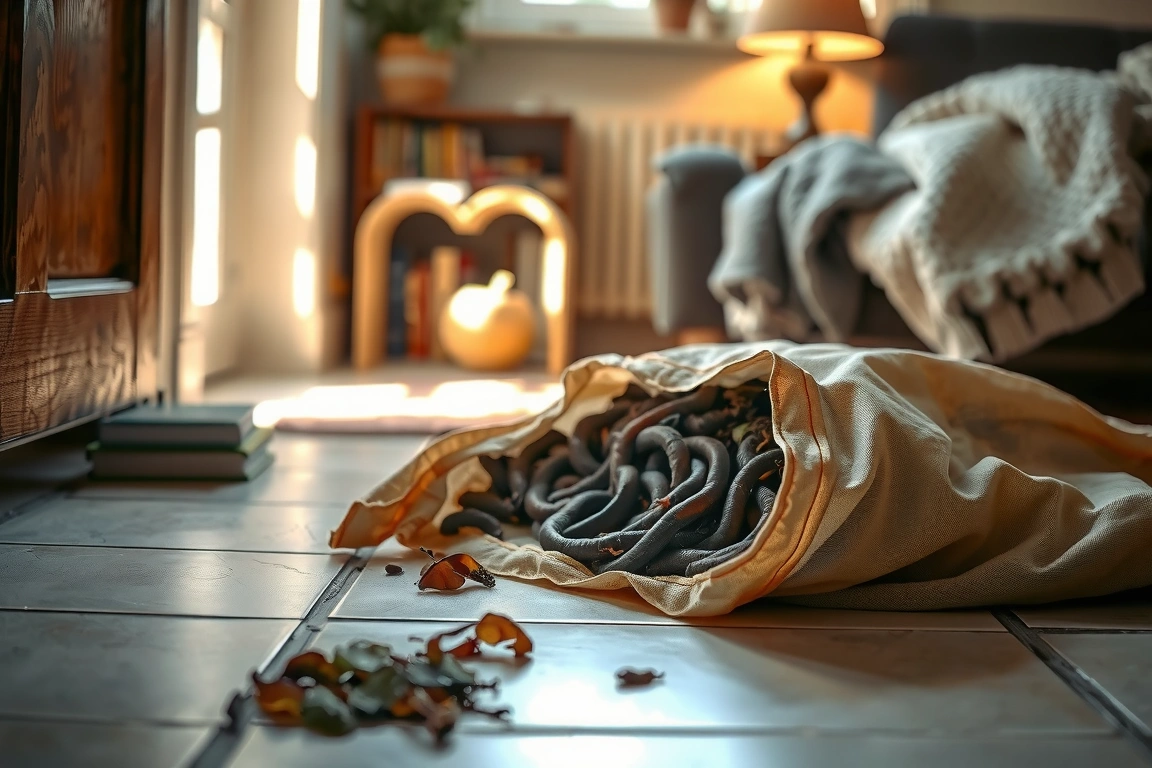
Vermicomposting, or worm composting, is the gold standard for producing the highest quality castings (worm poop) for plants. The Urban Worm Bag is a breathable, vertical flow-through system made of durable fabric. I switched to this after a failed plastic bin experiment that went soggy and smelly. The bag’s design is brilliant—you add bedding and red wiggler worms at the top, and as they eat upward, you harvest finished castings from the bottom drawstring door. The airflow prevents anaerobic conditions, and the fabric wicks away excess moisture, which is the #1 killer of worm bins.
Why It Fits Apartment Life
It’s incredibly space-efficient for its capacity. A 5-gallon plastic bin might hold 2 lbs of scraps per week; my Urban Worm Bag (Version 2) easily processes 4-5 lbs. It lives neatly in a closet, under my kitchen sink, or on my balcony. The worms are quiet, efficient pets. The learning curve involves managing moisture and not overfeeding, but once balanced, it’s a low-odor, highly productive system. The initial setup cost is moderate (bag is ~$100, plus worms ~$30), but it’s a one-time purchase. This is for the apartment dweller ready to care for a small, beneficial ecosystem.
- Best for: Serious plant parents, those wanting premium fertilizer, people comfortable with caring for living creatures.
- Size: 20″ diameter, 30″ height (holds roughly 30 gallons).
- Process Time: 3-6 months for finished castings.
- One Thing to Note: You must source red wiggler worms (Eisenia fetida) and keep them within 55-80°F.
One Thing to Note: You must source red wiggler worms ( Eisenia fetida ) and keep them within 55-80°F.
4. The Simple Start: OXO Good Grips Easy-Clean Compost Bin
Sometimes, you just need a good holding container. If your apartment building or city offers green bin collection, your job is simply to store scraps neatly until you take them out. The OXO Good Grips 1.75-gallon bin is the best I’ve used for this. It’s all about the details: the lid has a tight-sealing, push-button mechanism that opens with one hand. The included charcoal filter snaps in easily and lasts a good two months before needing replacement. The inner bucket is seamless and smooth, making it a dream to rinse out—no gunk gets caught in corners.
Why It Fits Apartment Life
It’s affordable (around $30), durable, and supremely functional. It sits unobtrusively on my countertop, and because it seals so well, I only empty it every 3-4 days with zero odor issues. This is the perfect “dipping your toes in” solution. It requires no ongoing science project, just a regular trip to your building’s compost drop-off. It teaches you the habit of separating scraps without any complex processes. For many urban dwellers, this is the only composter they’ll ever need.
- Best for: Beginners, those with municipal/building compost pickup, anyone wanting a clean, simple countertop caddy.
- Size: 8.5″ L x 8″ W x 11″ H (1.75 gal capacity).
- Process Time: N/A – it’s a storage bin.
- One Thing to Note: You must have an external compost destination.
5. The Electric Compact: Vitamix FoodCycler FC-50
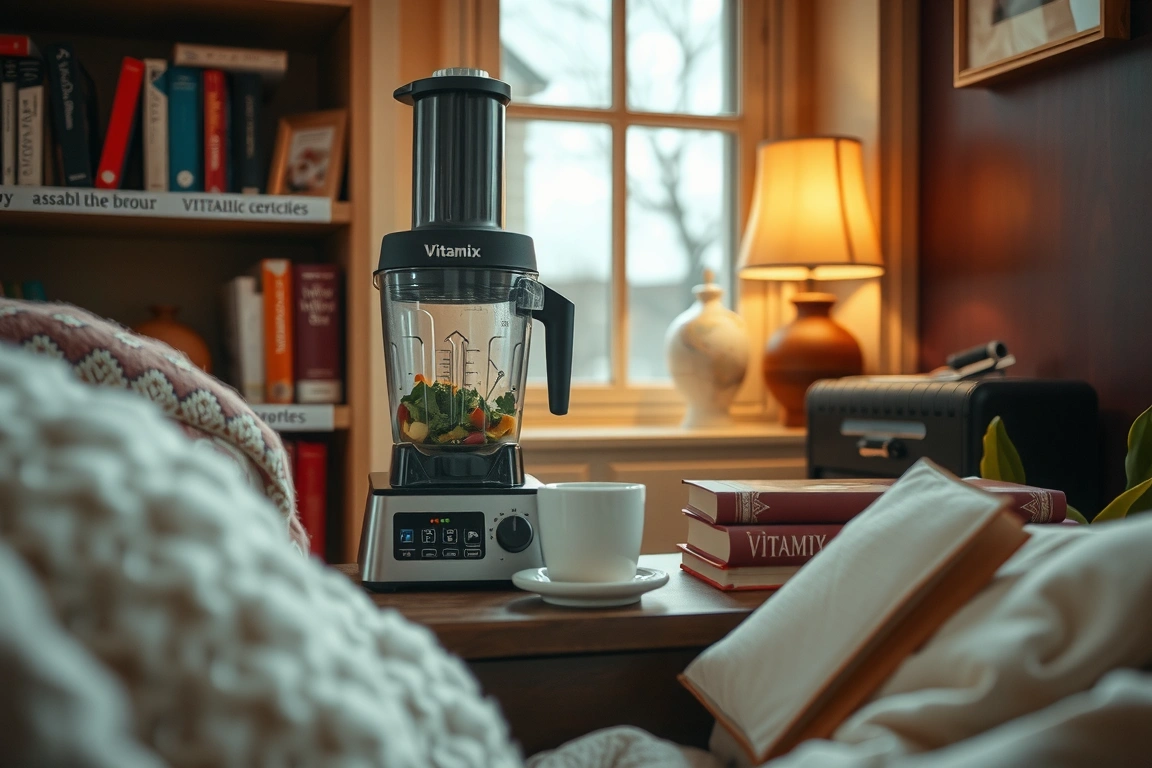
Think of the Vitamix FoodCycler as Lomi’s slightly more compact cousin. It operates on a similar principle of accelerated, odor-controlled decomposition through grinding, heating, and cooling cycles. In my testing, it took about 6-8 hours for a full cycle, producing a dry, coarse output that Vitamix calls “foodilizer.” This material is great for mixing into garden soil but is a bit too potent and sharp to use directly on houseplants without further composting or mixing.
Why It Fits Apartment Life
Its cylindrical shape has a smaller footprint than the Lomi, making it easier to tuck away. It’s also slightly quieter. The carbon filter system is effective, and it doesn’t require proprietary additives—just toss in your scraps and press start. The main limitation is capacity; its 2-liter bucket means you’ll be running it more frequently if you cook a lot. Priced around $350, it’s a middle-ground electric option. It’s ideal for small households (1-2 people) who want the convenience of an electric composter but in a more discreet package.
- Best for: Small households, those with limited counter space, fans of the Vitamix ecosystem.
- Size: 12.2″ H x 10.6″ diameter.
- Process Time: 4-8 hours on average.
- One Thing to Note: Smaller capacity means more frequent cycles.
Choosing Your Perfect Match: A Quick Decision Guide
Still unsure? Ask yourself these questions:
- What’s your goal? Instant soil (Lomi), premium plant food (Worms), or just neat storage (OXO)?
- What’s your scrap volume? A single person might do fine with the Vitamix, while a family might need the Urban Worm Bag.
- What’s your comfort level? Are you okay with caring for worms, or do you need a plug-and-play appliance?
- Where will the output go? Do you have houseplants, a community garden, or a green bin?
My biggest piece of advice? Start simple. The OXO bin is a nearly risk-free way to build the habit. If you catch the bug, you can always upgrade to a more involved system later.
Composting in an apartment isn’t just about waste reduction; it’s a small, daily act of connection. It turns kitchen scraps into a resource, closes a loop right in your home, and gives you that little thrill of doing something tangible for the planet. Whether you choose the high-tech speed of Lomi, the quiet science of Bokashi, or the simple efficiency of a countertop caddy, you’re making a difference. Pick the system that fits your rhythm, give it a try, and welcome to the community of apartment composters. Share your journey with us—we’d love to hear which system you chose and how your plants are thriving!
Small changes, real momentum
Get practical guides and templates you’ll actually use — a few thoughtful emails a month.
Frequently Asked Questions
Will an indoor composter make my apartment smell?
A properly managed composter should not create bad odors. Electric models like Lomi and Vitamix have active carbon filters that trap smells. Bokashi bins, when sealed correctly, produce a fermented, pickled smell. Worm bins, if not overfed, smell like earthy soil. The key is balance—avoid overloading systems with oily foods or massive amounts of citrus, and ensure adequate airflow or sealing as required by your chosen method.
Can I compost meat, dairy, and citrus in these systems?
It depends entirely on the system. Bokashi is unique in that it can ferment all food scraps, including meat, dairy, and citrus, without issue. Most worm bins should avoid large amounts of citrus, meat, and dairy as they can upset the worms’ environment and cause odors. Electric composters like Lomi (on certain cycles) and the Vitamix can handle small amounts of these items, but it’s generally best to stick to plant-based scraps for optimal results and to check your specific model’s guidelines.
What do I do with the compost if I don’t have a garden?
You have more options than you think! The finished compost or “foodilizer” from electric units is a fantastic gift for gardening friends or family. Many communities have garden share programs or community gardens that gladly accept donations. You can also offer it on local buy-nothing groups—gardeners will snap it up. Even if you just have a few houseplants, mixing a small amount into their soil will give them a tremendous nutrient boost. The output is a valuable resource, not a waste product.
Related from our network
Disclosure: This article may contain affiliate links. If you make a purchase through these links, we may earn a small commission at no additional cost to you. We only recommend products and services we believe will add value to our readers.

